Sites built with WordPress
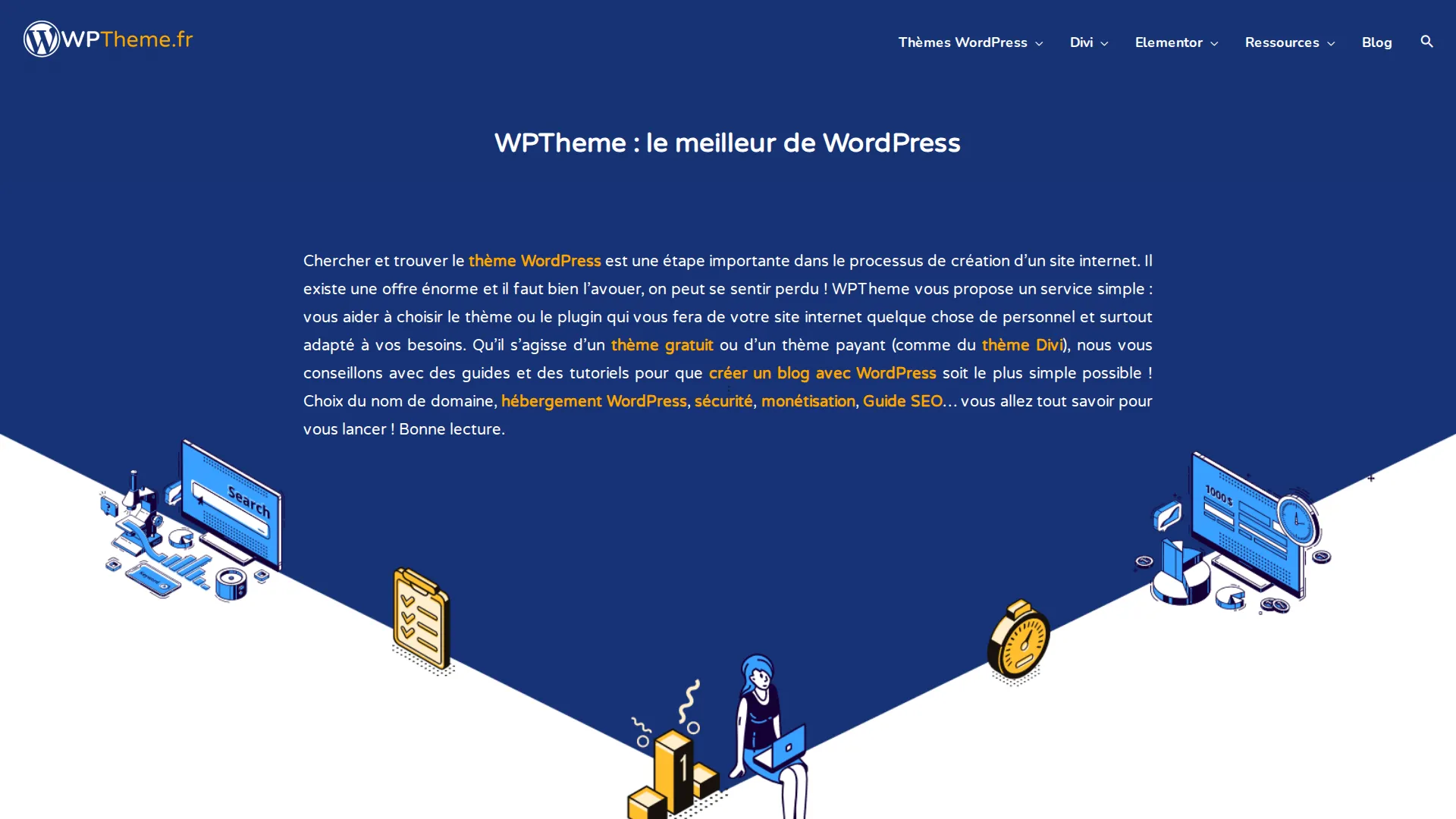
Browse 6 examples of production websites using WordPress. Analyze their full stack and hosting setup.
WordPress Origins & Philosophy
WordPress emerged in 2003 as a fork of b2/cafelog, born from a critical philosophical fracture in the blogging software landscape. Matt Mullenweg and Mike Little built it when existing platforms were either hosted black boxes (Blogger, LiveJournal) or unstable codebases abandoned by their creators. The genesis problem was democratizing publishing through PHP and MySQL, the LAMP stack commodities that every $5/month hosting provider already supported. WordPress represented a bet that content creators shouldn't need engineers to own their distribution, and that extensibility through plugins and themes could solve feature proliferation without core bloat. This wasn't just software; it was an ideological stance against proprietary CMSs like Vignette that cost six figures and required Oracle DBs.
WordPress Strategic Dominance
The strategic calculus for WordPress in 2025 comes down to ecosystem gravity and time-to-value, not technical elegance. When you choose WordPress, you're buying into 60,000+ plugins, 10,000+ themes, and a global talent pool where mid-level developers cost 40% less than JavaScript framework specialists. For CTOs managing non-trivial content operations, the plugin ecosystem means vendor-neutral feature acquisition: need multilingual content? WooCommerce integration? Advanced SEO controls? You're selecting and configuring, not building. The total cost of ownership remains unmatched for content-heavy sites because WordPress developers are abundant, agencies are commoditized, and the upgrade path is battle-tested across 43% of the web. When your board asks why you're not using a headless CMS, the answer is hiring velocity and the $200K you're not spending on custom development.
WordPress Technical Strengths
WordPress excels at content workflow orchestration and maintaining backward compatibility across a decade of technical debt. The Gutenberg block editor finally modernized content creation without breaking 15 years of existing sites, a feat of engineering restraint most frameworks ignore. The hook system (actions and filters) provides surgical extensibility points that let you modify behavior without forking core, and the REST API turned WordPress into a credible headless option. For publishers, membership sites, and e-commerce operations under $50M annual revenue, nothing delivers comparable feature density per engineering hour. The community support infrastructure means solutions exist for edge cases you haven't imagined yet.
WordPress Architectural Friction
The architectural reality is that WordPress is fundamentally a monolithic PHP application built on patterns from 2003, and no amount of React in the admin panel changes the core execution model. Every request bootstraps the entire framework, loads active plugins sequentially, and executes theme code in a global namespace where naming collisions are resolved through prayer and prefixing conventions. Performance at scale requires Varnish, Redis, CDN layering, and constant vigilance against plugin bloat because the platform provides no native mechanism to prevent poorly-coded extensions from tanking your database. The security surface area is massive: you're not just patching WordPress core, you're monitoring 30+ plugins from authors with wildly varying security practices, and the auto-update mechanism is a game of Russian roulette between stability and vulnerability. The MySQL schema with its EAV-pattern post meta tables becomes a performance nightmare past 100K posts, and the template hierarchy, while flexible, creates cognitive overhead that modern component architectures solved a decade ago. You're trading ecosystem maturity for technical debt that compounds with every plugin activation.