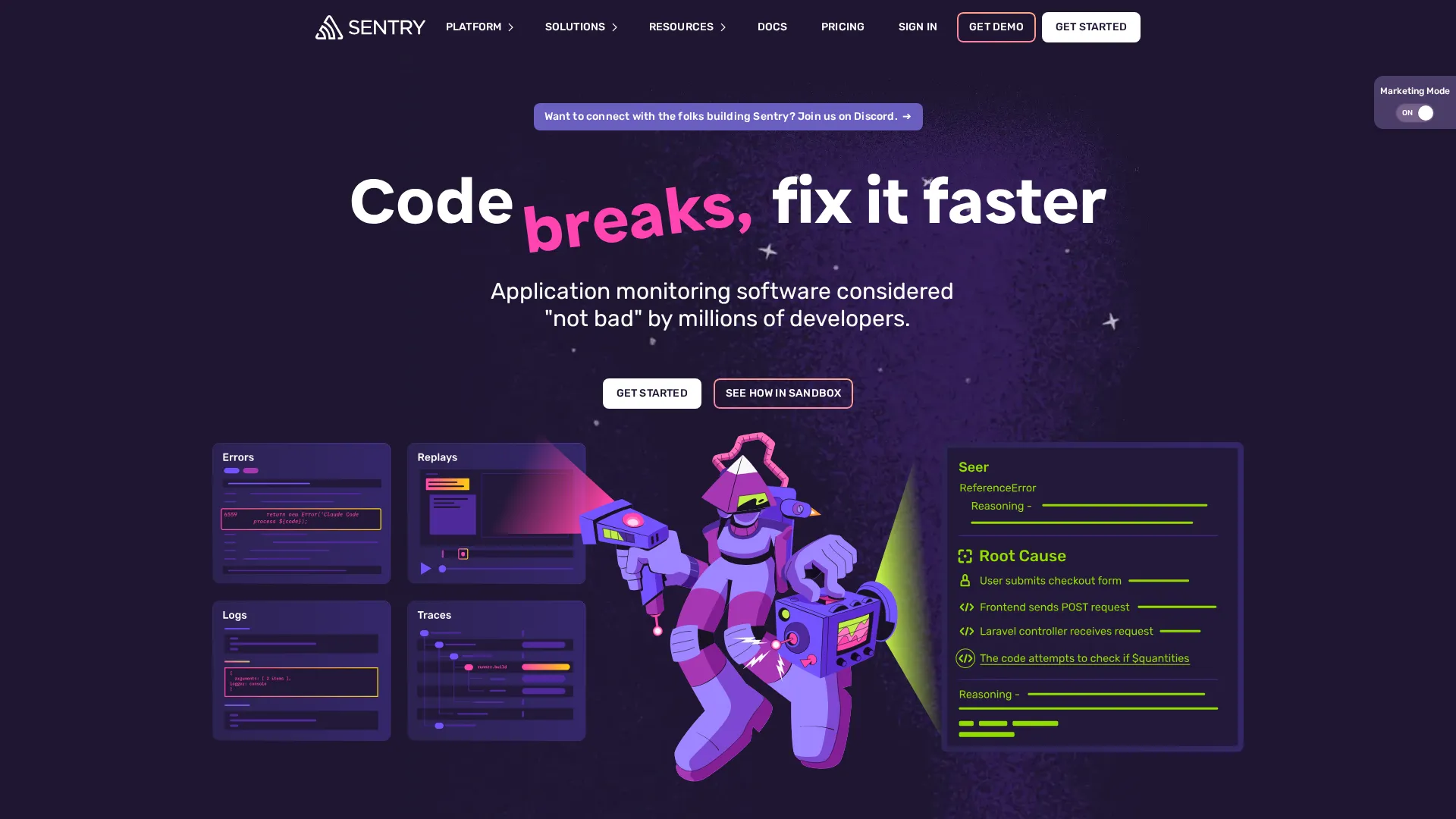
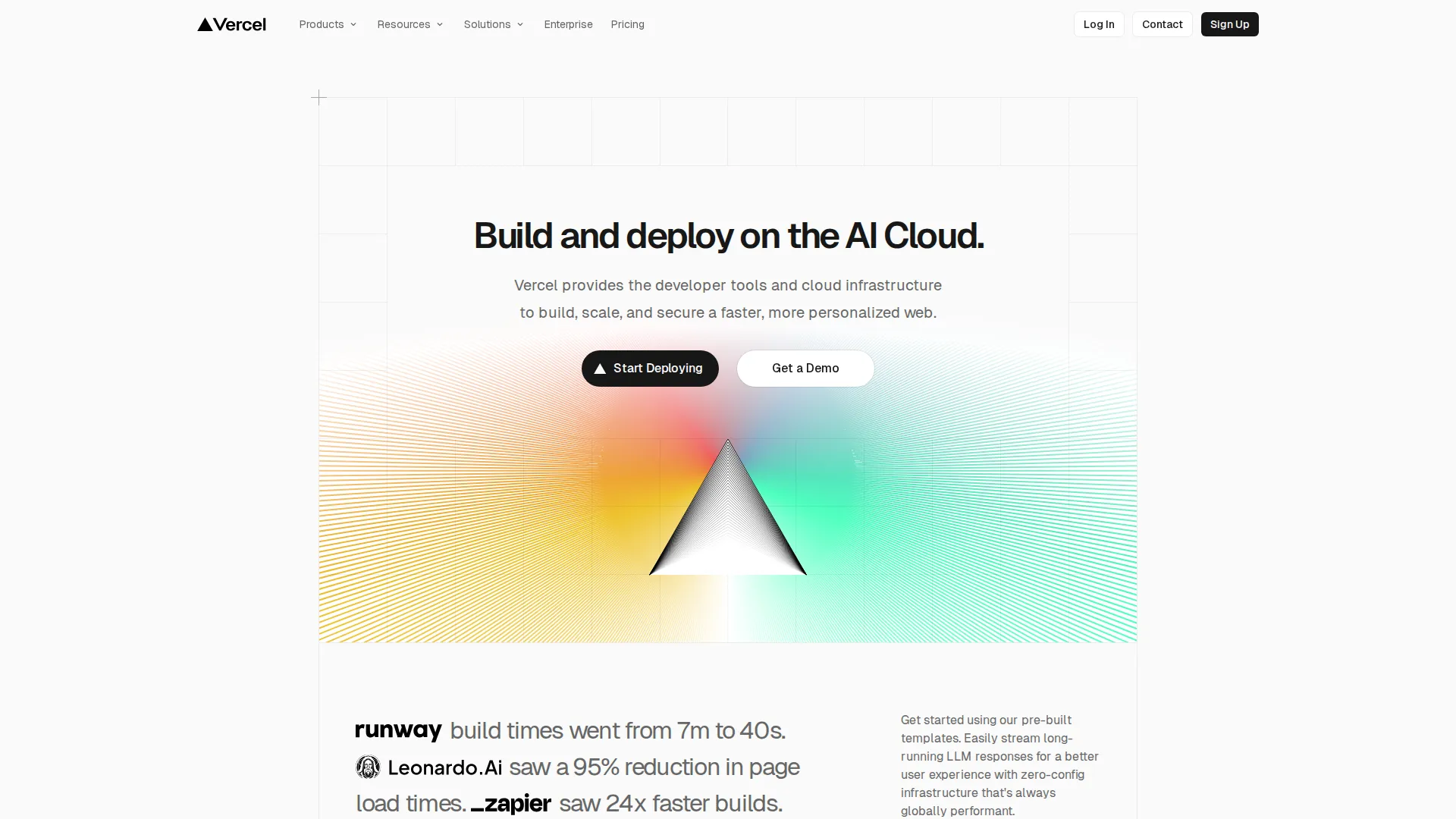
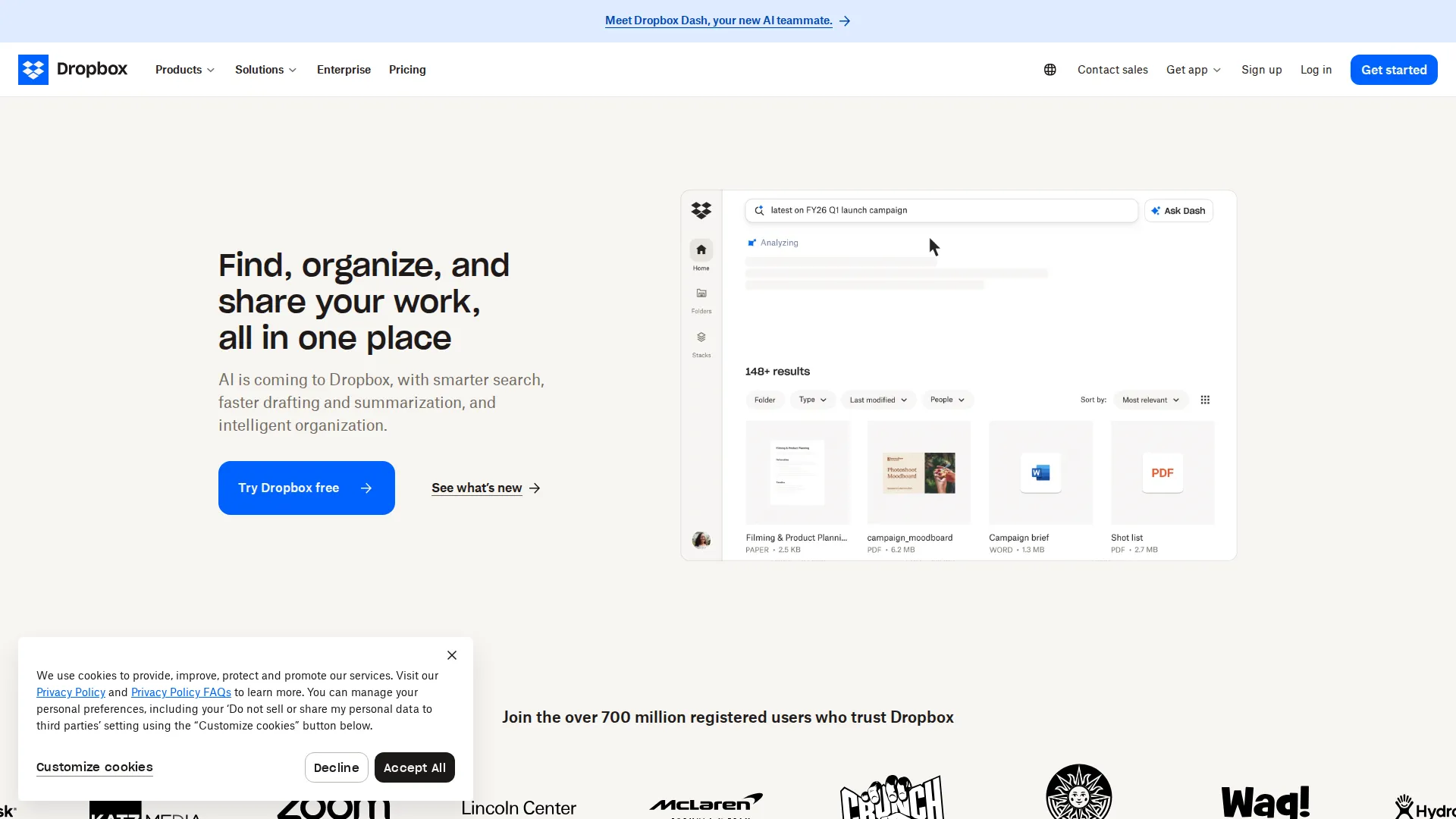
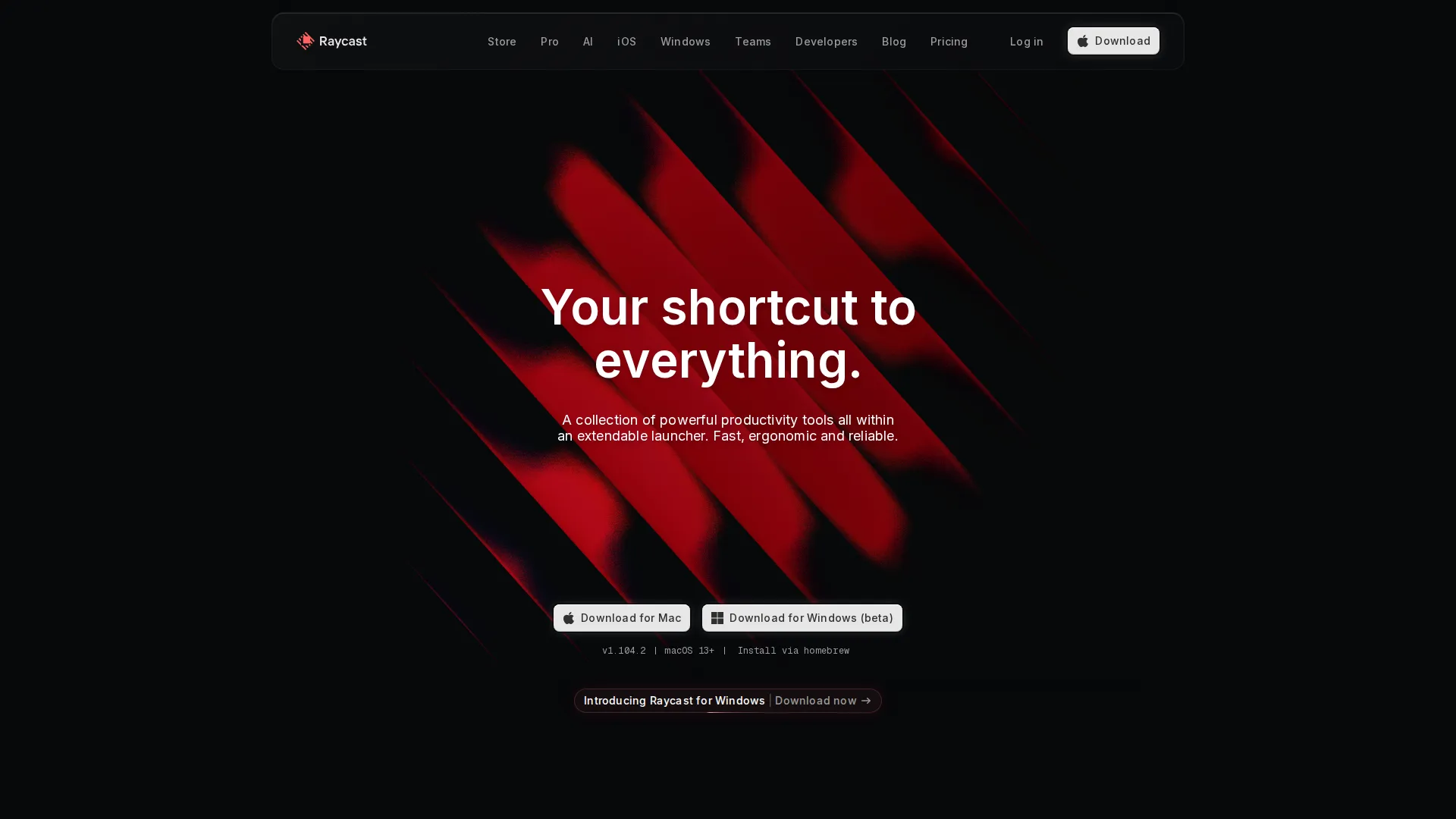
Sites built with Tailwind CSS
Browse 9 examples of production websites using Tailwind CSS. Analyze their full stack and hosting setup.
Tailwind CSS Origins & Philosophy
Tailwind CSS emerged in 2017 as Adam Wathan's violent rejection of the component-centric CSS abstraction model that Sass, BEM, and CSS-in-JS had pushed for a decade. The philosophical shift wasn't subtle: instead of creating semantic class names like `.user-profile-card` that mapped to extensive style definitions, Tailwind embraced atomic utility classes that composed styling directly in markup. This was heresy to the "separation of concerns" doctrine, but Wathan understood something critical: most CSS architectural patterns failed because they optimized for theoretical purity rather than velocity and maintainability at scale. The utility-first approach eliminated the hardest problem in CSS: naming things and predicting reusability patterns before you actually knew them.
Tailwind CSS Strategic Dominance
Organizations choose Tailwind today because it collapses decision paralysis and eliminates an entire class of bikeshedding debates. When your CSS methodology is "use the utility class," there's no team discussion about whether this button variant deserves a new component class or should extend an existing one. The PurgeCSS integration (now built into Tailwind's JIT compiler) delivers production bundles under 10KB while developers work with the full utility set, solving the "framework bloat" problem that plagued Bootstrap. More strategically, onboarding velocity is brutal: junior developers become productive in days rather than weeks because they're learning CSS properties through predictable class names, not deciphering a senior architect's bespoke abstraction layer. The hiring market follows this. Finding developers comfortable with Tailwind is easier than finding those who understand your custom CSS architecture, and migration between projects becomes feasible.
Tailwind CSS Technical Strengths
Tailwind eliminates CSS specificity warfare and the append-only stylesheet problem that plagues traditional approaches. You're not debugging why `.button-primary` sometimes loses to `.btn.primary` or hunting through 47 stylesheets to find which one defines that margin. The constraint system (spacing scale, color palette, breakpoints) enforces design consistency without requiring developers to memorize a design system PDF. The IntelliSense autocomplete and type safety via the config file mean you catch design token violations at dev time, not in QA. The ecosystem has reached escape velocity: Headless UI, DaisyUI, and hundreds of component libraries speak Tailwind's language, reducing the "build everything from scratch" tax.
Tailwind CSS Architectural Friction
The aesthetic cost is HTML obesity that makes traditionalists physically recoil. A moderately complex component can have 20+ utility classes, turning your markup into an unreadable token soup that violates every instinct about clean code. When you need to break out of Tailwind's constraints for complex interactions or animations, you're context-switching between utility classes and arbitrary CSS values with square bracket notation, creating a Frankenstein hybrid. The plugin architecture tries to solve extensibility, but custom utilities proliferate into config bloat that becomes its own maintenance burden. Most damningly, Tailwind creates trained helplessness around actual CSS knowledge. Teams become fluent in Tailwind's DSL but can't reason about cascade, specificity, or layout algorithms without the utility class safety net. When you eventually hit a problem Tailwind doesn't abstract well (complex grid layouts, container queries, certain animation sequences), you discover your team has forgotten how to write CSS. The framework optimizes brilliantly for the 80% case but leaves you architecturally weaker for the 20% that matters.