Sites built with Next.js
Browse 17 examples of production websites using Next.js. Analyze their full stack and hosting setup.
Next.js Origins & Philosophy
Vercel built Next.js in 2016 to solve a brutal mismatch: React's client-side rendering model was killing SEO, wrecking time-to-interactive metrics, and forcing teams into fragile server-side rendering hacks. The philosophical shift was pragmatic consolidation. Instead of duct-taping Webpack configs, Express servers, and React Router into coherent full-stack architectures, Next.js bundled opinionated SSR, file-system routing, and automatic code splitting into a zero-config framework. It wasn't novel technology, it was integration genius. The timing mattered. SPAs had won mindshare but lost the performance war, and Google's Core Web Vitals were about to punish slow hydration. Next.js became the escape hatch for teams drowning in build tooling complexity.
Next.js Strategic Dominance
CTOs pick Next.js today because it collapses decision paralysis. The framework offers five rendering strategies (static, server, incremental, client, streaming) within a single codebase, which means product teams can optimize per-route without architectural rewrites. The Vercel deployment pipeline is frictionless to the point of being unfair competitive advantage: Git push to globally distributed edge functions in 30 seconds. But the strategic calculus runs deeper. The React ecosystem gravitates here, so hiring velocity is measurably faster than Svelte or Vue alternatives. Enterprise teams value the escape velocity from WordPress or legacy Java stacks without abandoning their existing React component libraries. The TypeScript-first developer experience and React Server Components integration position it as the safest bet for the next half-decade of web architecture evolution.
Next.js Technical Strengths
Next.js owns hybrid rendering better than any framework in production. The ability to serve static marketing pages, dynamic user dashboards, and real-time collaboration tools from the same deployment artifact is architecturally elegant. Image optimization, font handling, and API routes eliminate entire categories of microservices. The framework's middleware layer and edge runtime support enable authentication, A/B testing, and geo-routing without CloudFlare Workers or Lambda@Edge complexity. Incremental Static Regeneration remains the killer feature: stale-while-revalidate semantics that let you cache aggressively while maintaining data freshness, solving the ultimate static-vs-dynamic tradeoff.
Next.js Architectural Friction
The vendor lock-in risk is real and underestimated. While Next.js is open source, the advanced features like ISR, Middleware, and Image Optimization are optimized for Vercel's infrastructure. Self-hosting on AWS or Google Cloud works but sacrifices 30-40% of the performance gains and requires rebuilding caching strategies. The framework's abstraction layers hide critical performance characteristics; developers shipping poorly optimized Server Components can create worse performance than well-tuned SPAs, but the framework's magic makes diagnosis harder. Bundle sizes creep upward because the ease of adding features obscures the JavaScript cost. The App Router migration from Pages Router fragmented the ecosystem, creating two incompatible mental models within the same framework. Documentation quality varies wildly between stable and experimental features, and the release cadence introduces breaking changes that hurt teams unable to upgrade quarterly. React Server Components blur client-server boundaries in ways that confuse mid-level developers and create subtle data-fetching bugs that only surface under production load.
✓ Production Examples: Showcase of websites built with Next.js

inkmypet.com
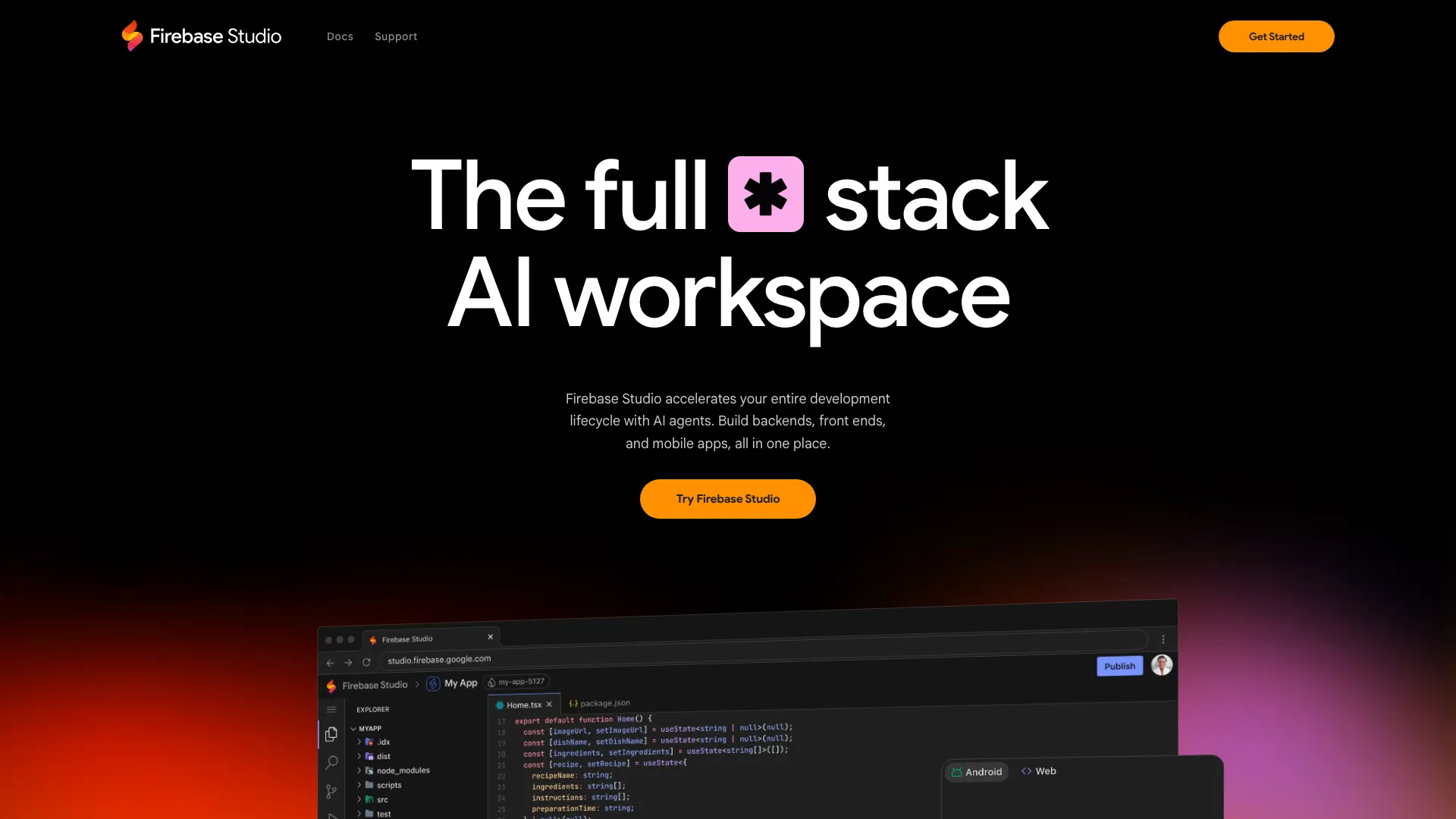
firebase.studio
Stack: Astro, Vue.js
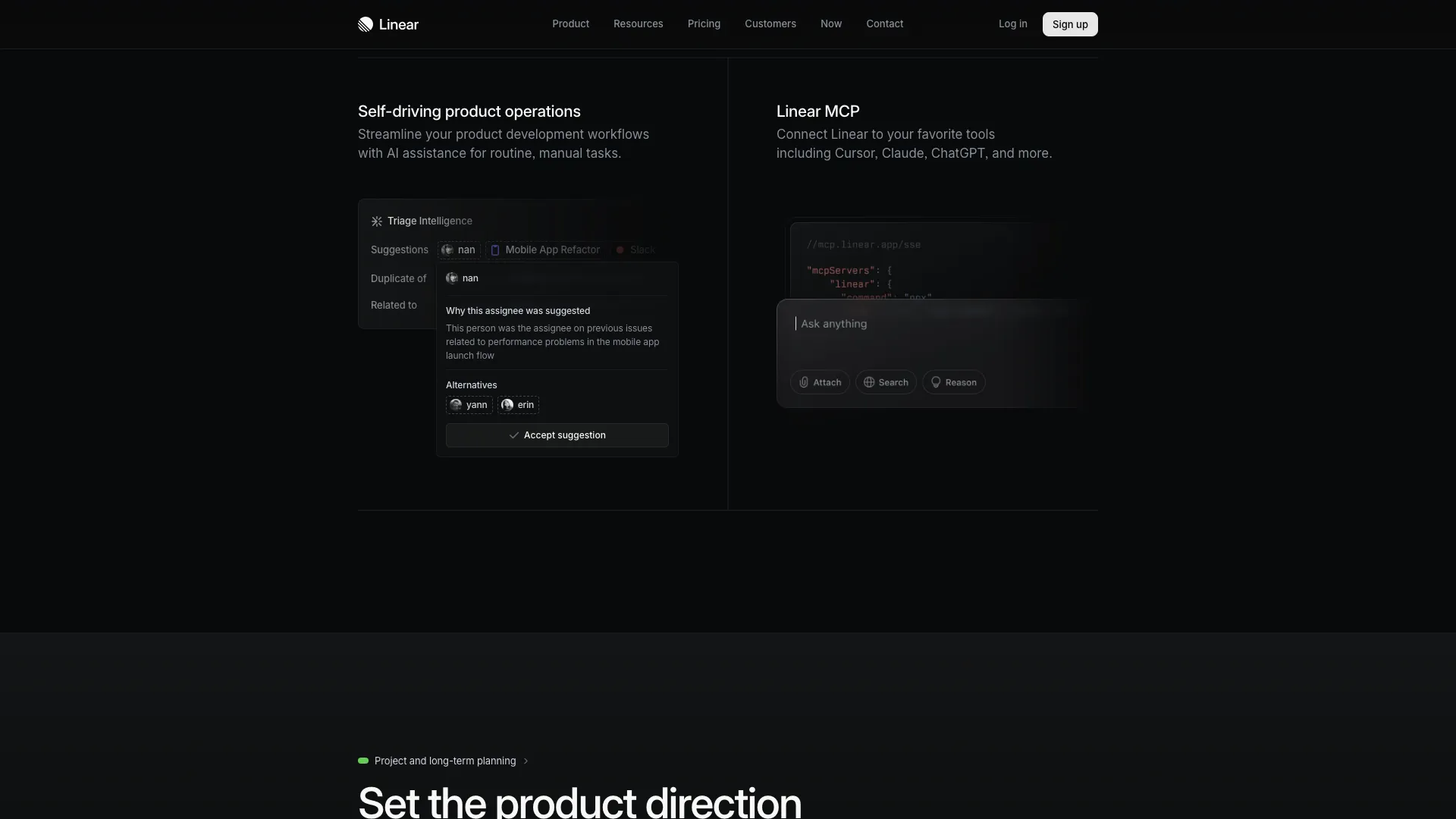
linear.app

bing.com
Stack: Astro, Vue.js

snapchat.com
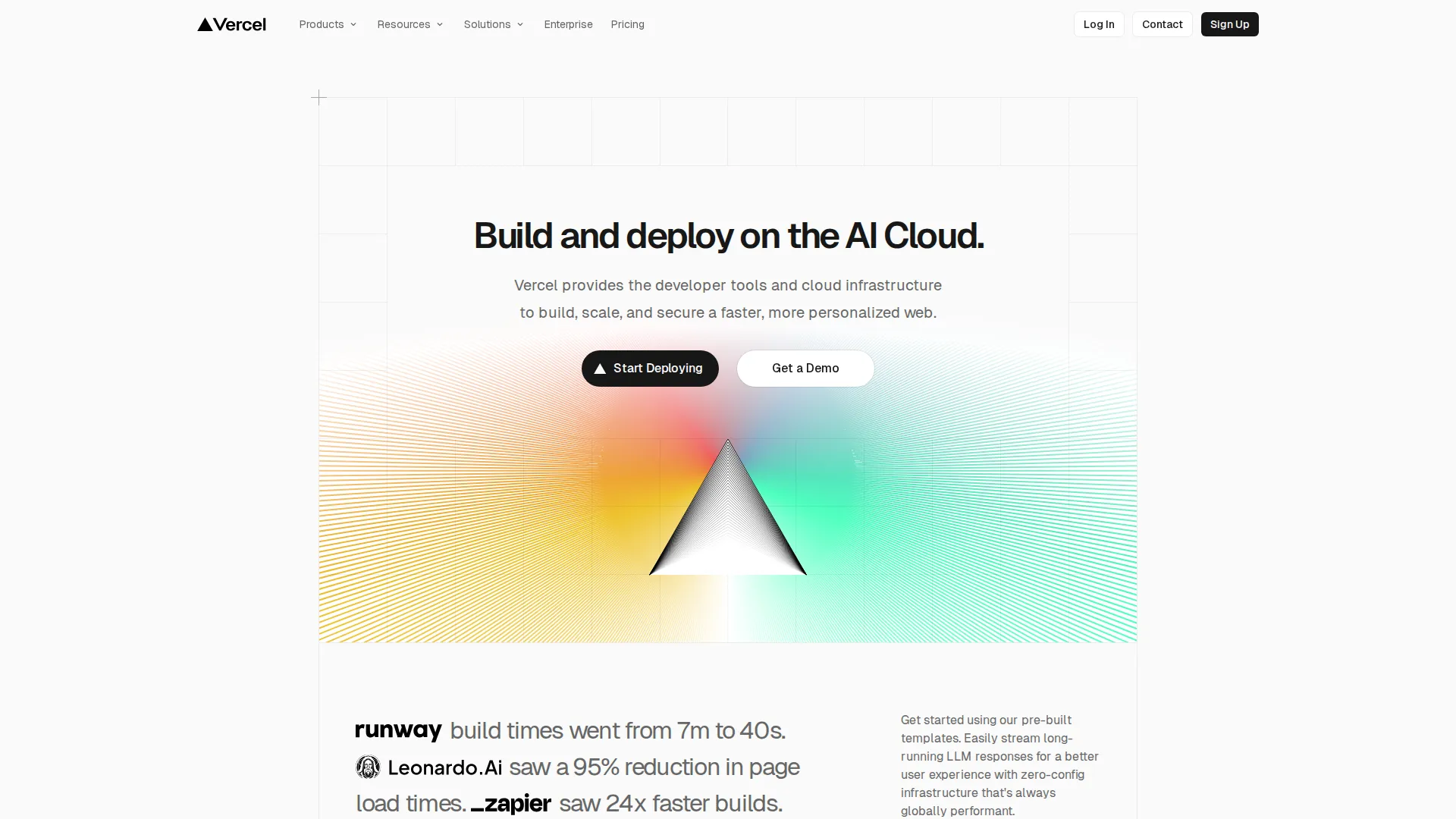
vercel.com
Stack: Tailwind CSS

loom.com
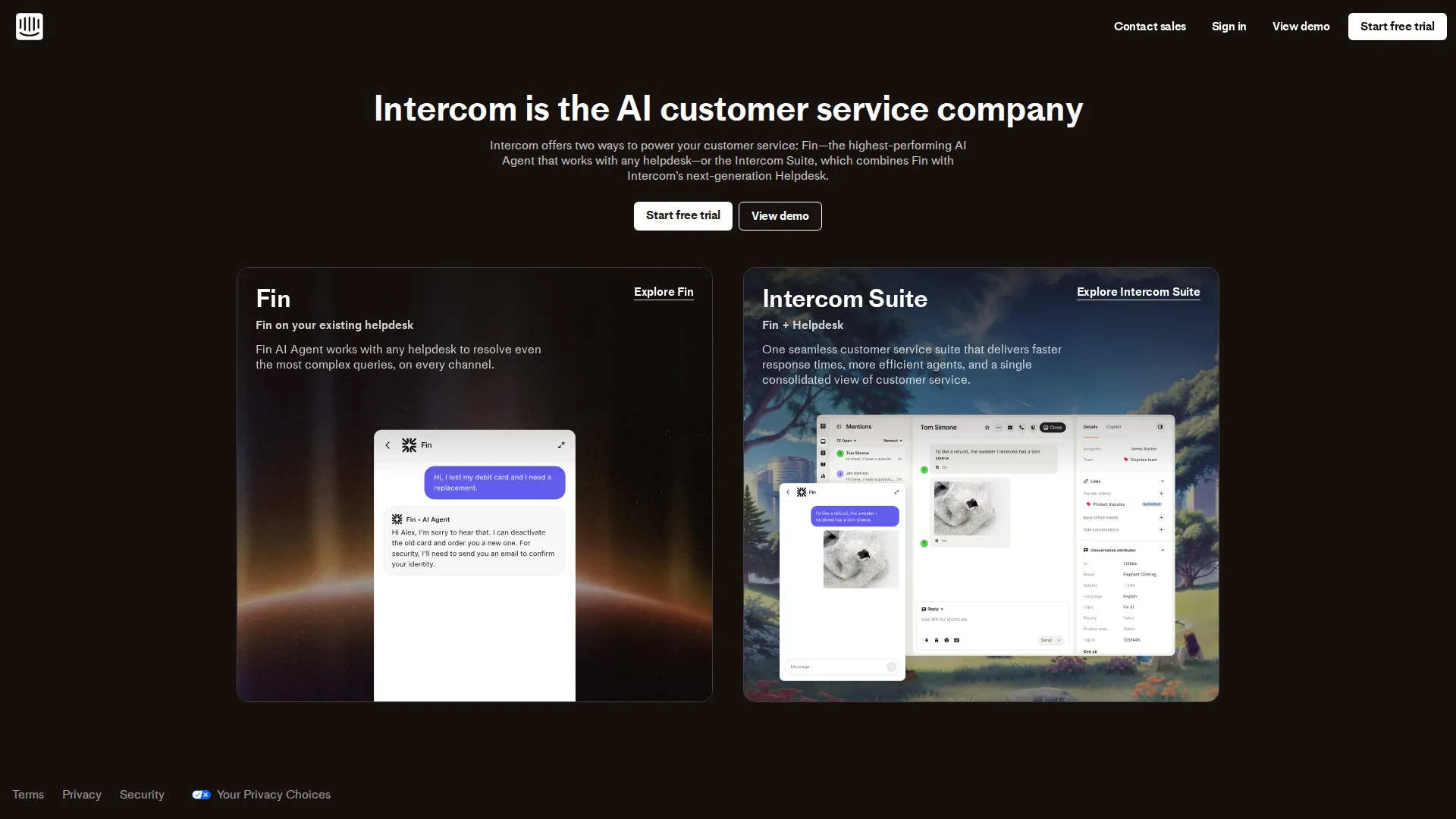
intercom.com

raycast.com
Stack: Tailwind CSS
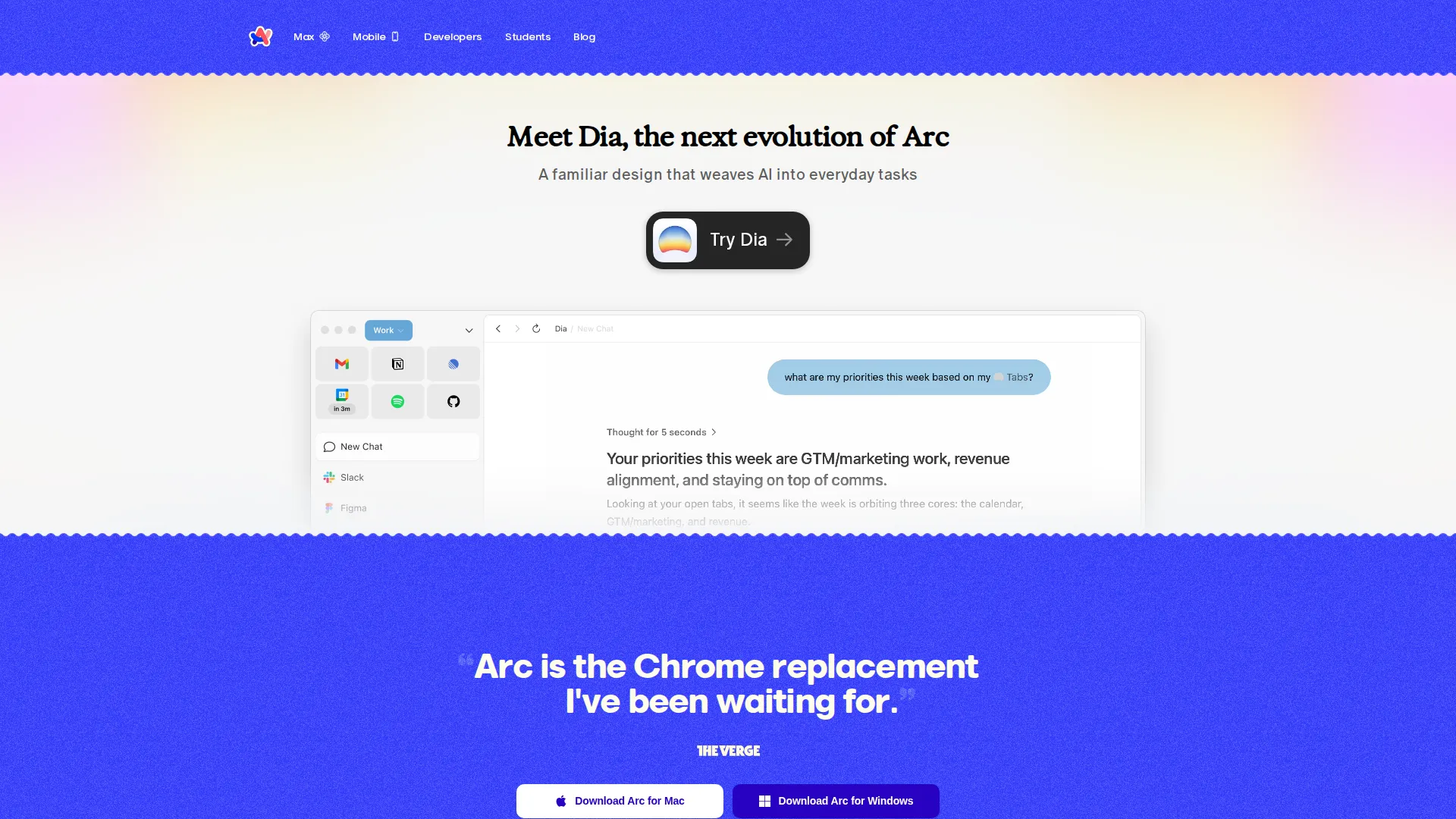
arc.net

supabase.com
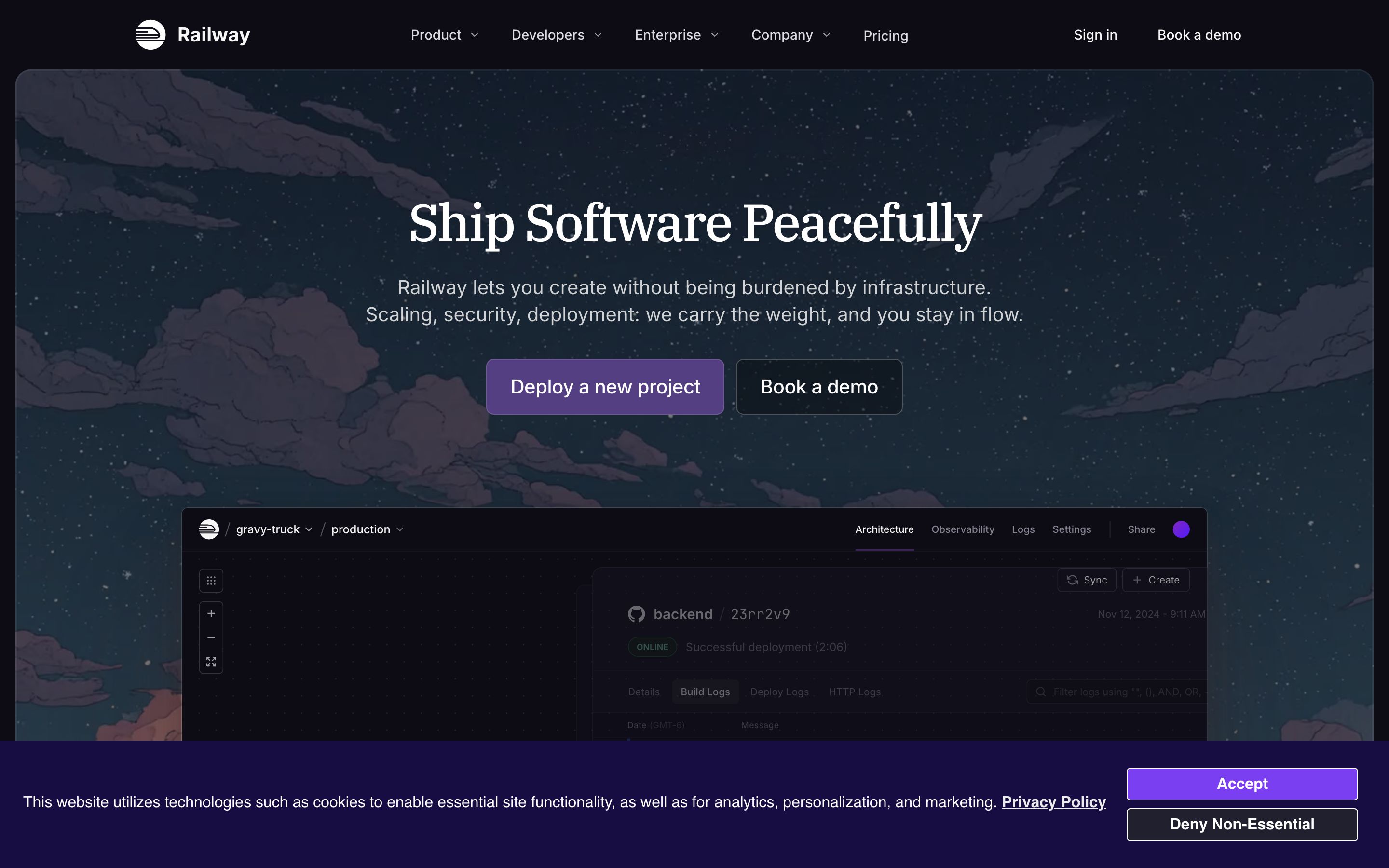
railway.com
Stack: WordPress

patreon.com
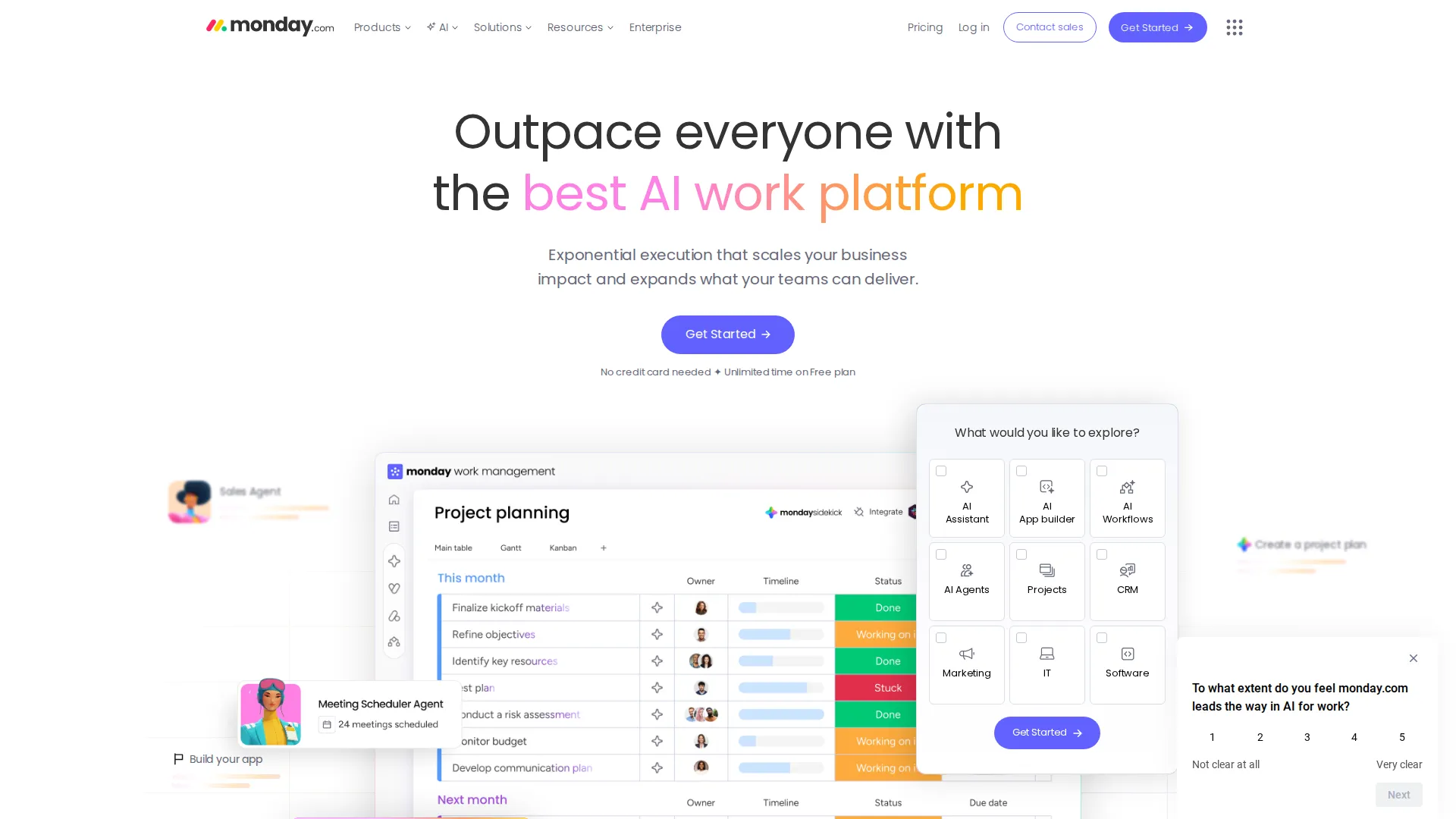
monday.com

gymshark.com
Stack: Shopify

supreme.com
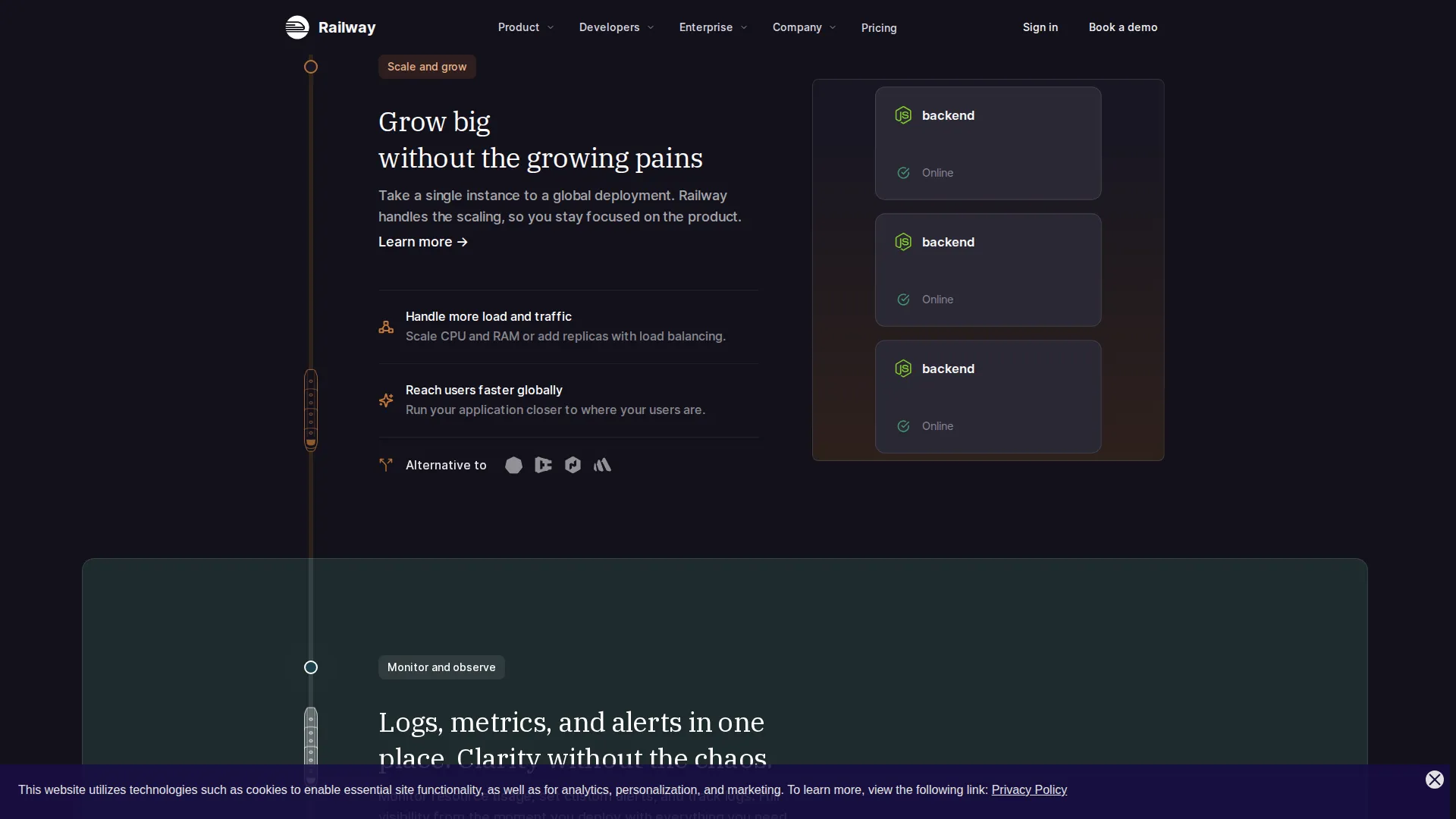
railway.app
Stack: WordPress