Sites built with WooCommerce
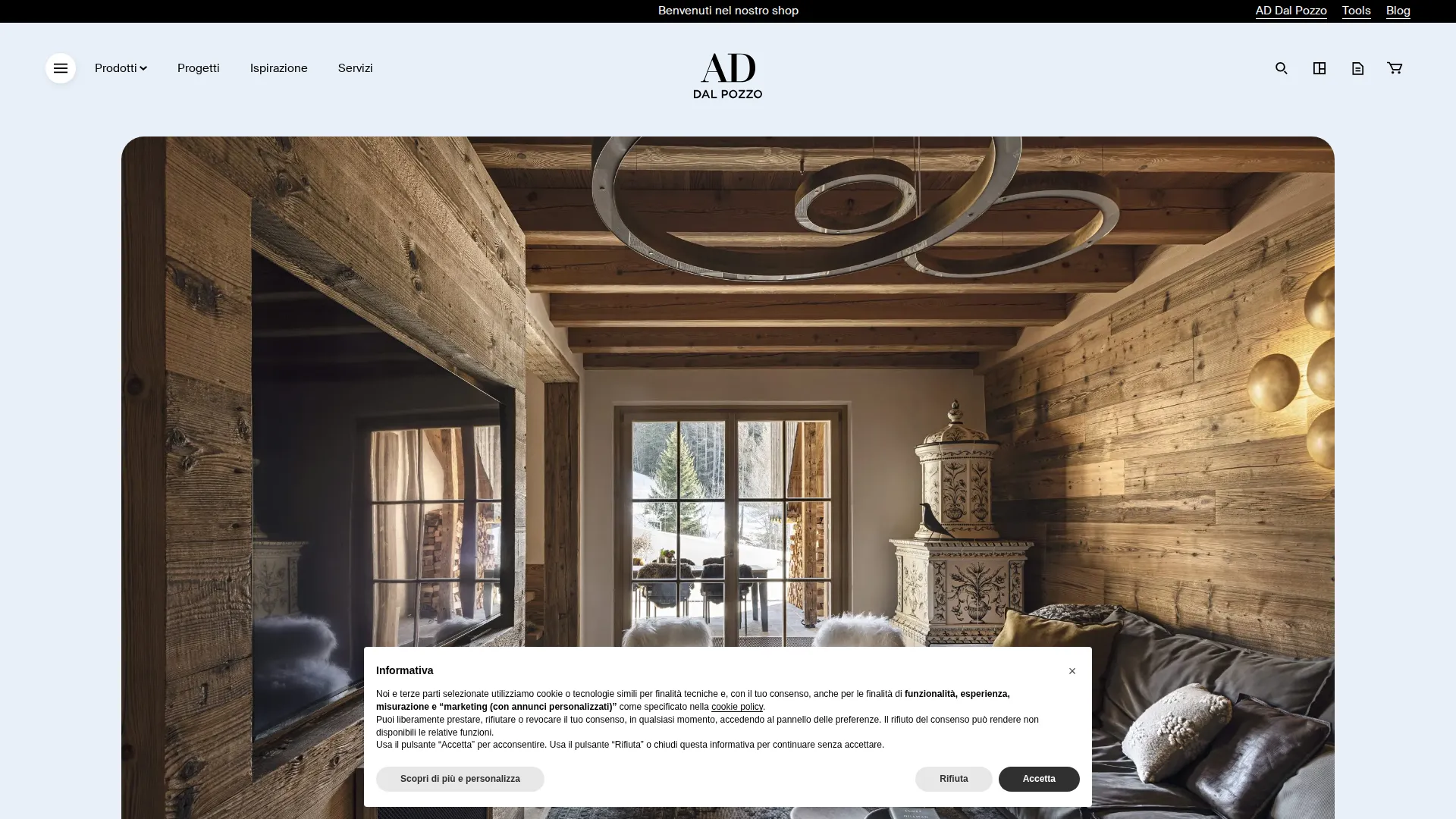
Browse 2 examples of production websites using WooCommerce. Analyze their full stack and hosting setup.
WooCommerce Origins & Philosophy
WooCommerce emerged in 2011 as a deliberate counterweight to the SaaS e-commerce monopoly that Shopify was building. Mike Jolley and WooThemes recognized that WordPress owned 30% of the web and merchants were hemorrhaging control to platforms that held their data hostage. The philosophical bet was radical: transform the dominant CMS into a self-hosted commerce engine where merchants owned everything—database, customer data, checkout flow, server choice. This wasn't about building better commerce software; it was about weaponizing WordPress's distribution to democratize online selling. The GPL license meant agencies could modify and resell it infinitely, creating a flywheel where every WordPress developer became a potential WooCommerce implementer overnight.
WooCommerce Strategic Dominance
CTOs choose WooCommerce today because of ecosystem leverage and cost arbitrage at scale. You inherit 59,000+ WordPress plugins and a developer labor pool so massive that hiring velocity exceeds Magento or Shopify Plus by orders of magnitude. The economic calculus is brutal: Shopify charges 2.9% + 30¢ per transaction plus subscription fees, while WooCommerce's marginal cost approaches zero after hosting. For merchants pushing $2M+ annually, the transaction fee delta alone justifies dedicated DevOps. The extensibility is surgical—need subscription billing, multi-vendor marketplaces, or custom tax logic for EU compliance? The plugin economy has commoditized these problems. Strategic control is the real win: you dictate the checkout UX, own the customer email list without platform risk, and avoid getting Shopify'd when they decide to compete with your product category.
WooCommerce Technical Strengths
WooCommerce delivers unmatched customization depth because it's code-first, not configuration-first. When your checkout flow requires conditional field validation based on shipping zones and product combinations, you write PHP hooks instead of begging a SaaS provider for a feature request. The WordPress REST API makes headless commerce trivial—React storefronts pulling product data while WooCommerce handles cart logic and PCI compliance. The update cycle is measured and conservative, which enterprise teams read as stability. Payment gateway options number in the hundreds, giving you negotiating leverage that platform lock-in destroys.
WooCommerce Architectural Friction
The architectural technical debt is structural and unavoidable. WordPress was never designed for transactional workloads—its database schema is an EAV nightmare that makes complex product queries an N+1 catastrophe. Scaling past 10,000 SKUs requires object caching, CDN configuration, and database query optimization that Shopify handles transparently. Security is a perpetual audit surface: outdated plugins become CVE vectors, and the supply chain risk is real when your checkout depends on a plugin maintained by one developer in Belarus. The session handling is page-based, not API-first, making true microservices architecture a retrofit nightmare. Performance at scale demands Elasticsearch, Redis, and dedicated server infrastructure—the "free" software quickly costs $3K+ monthly in hosting and DevOps time. You're essentially running your own platform, which is either your greatest asset or your most expensive liability depending on team capability.